
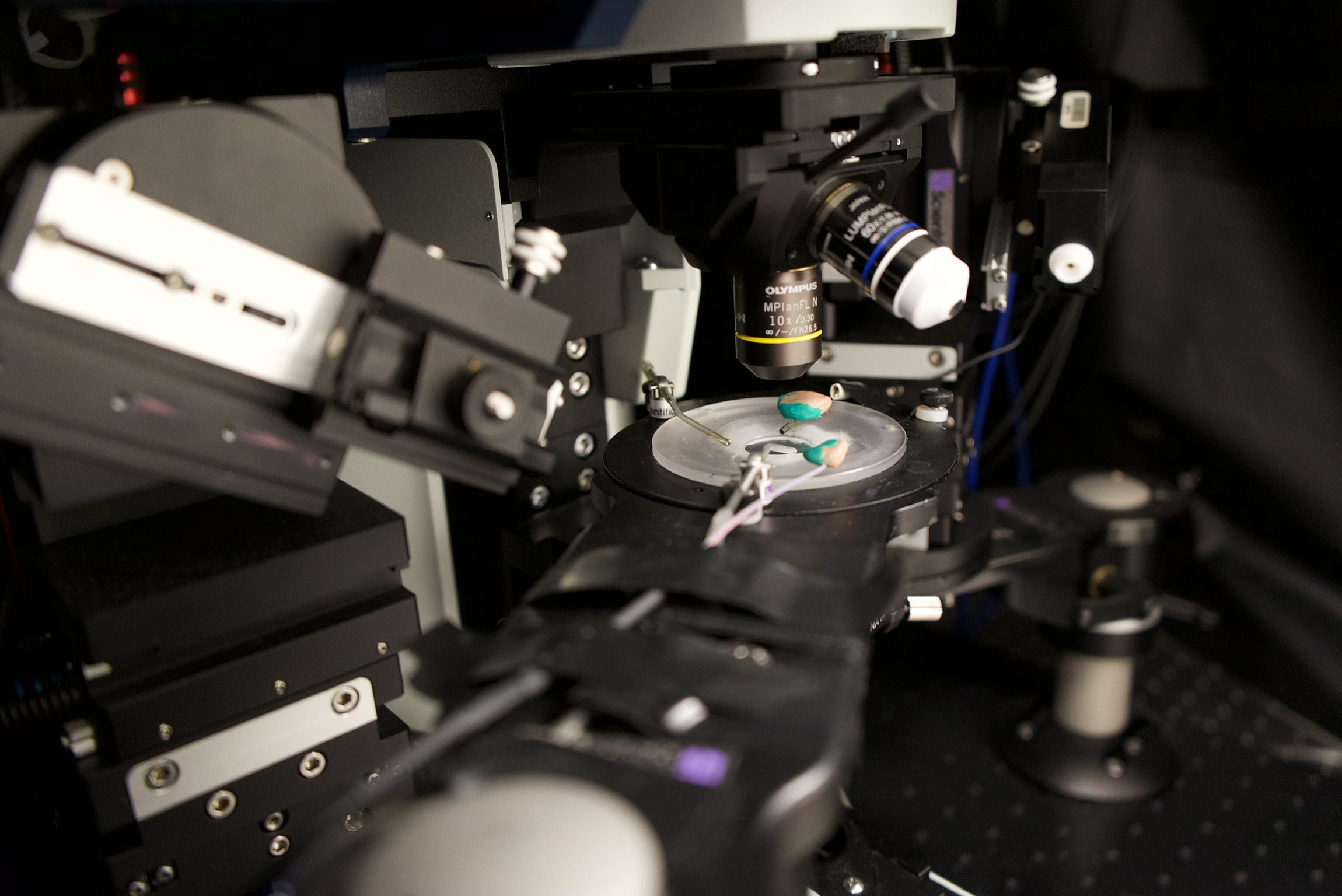
Our lab studies the molecular, cellular, and subcellular mechanisms involved in synaptic transmission and reward-related behaviors using cutting-edge techniques to delineate cortico-basal ganglia circuit dysfunctions that underlie neurodegenerative diseases, as well as substance use disorders.
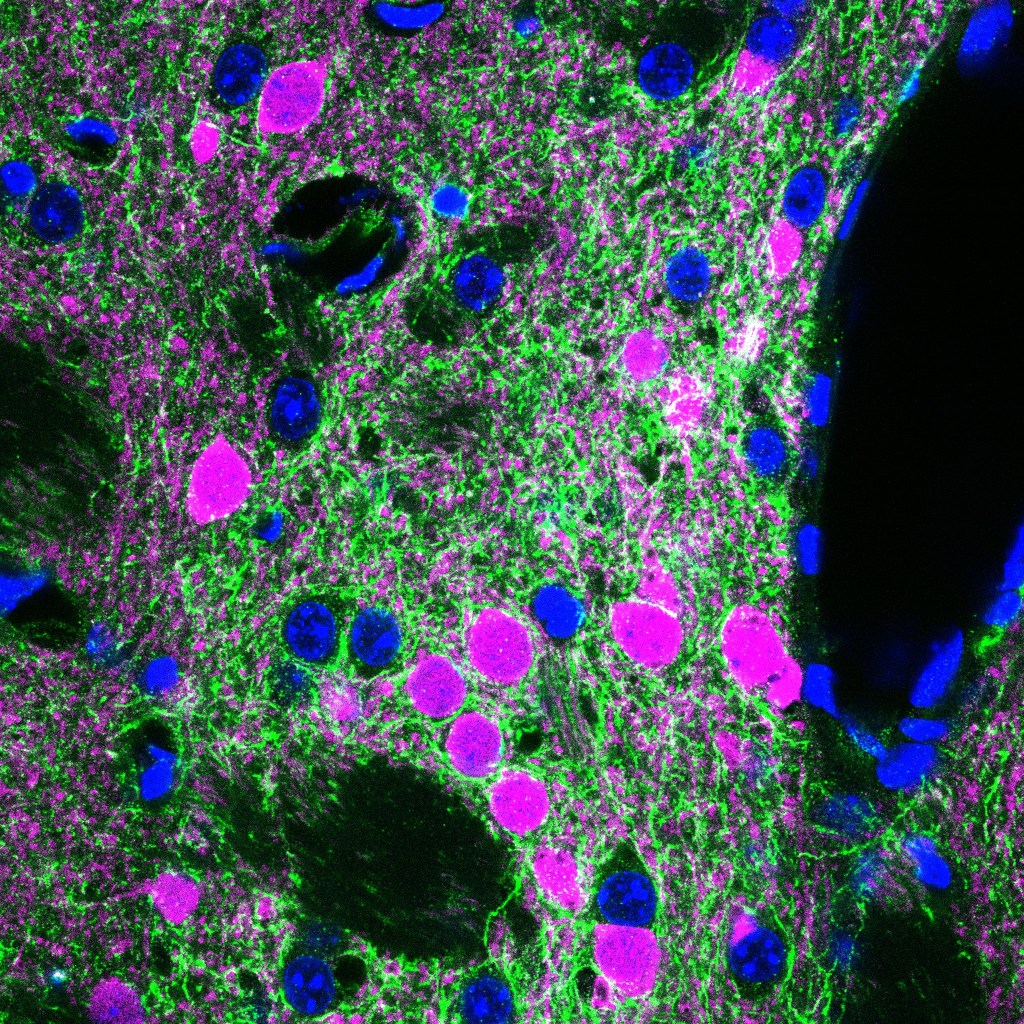
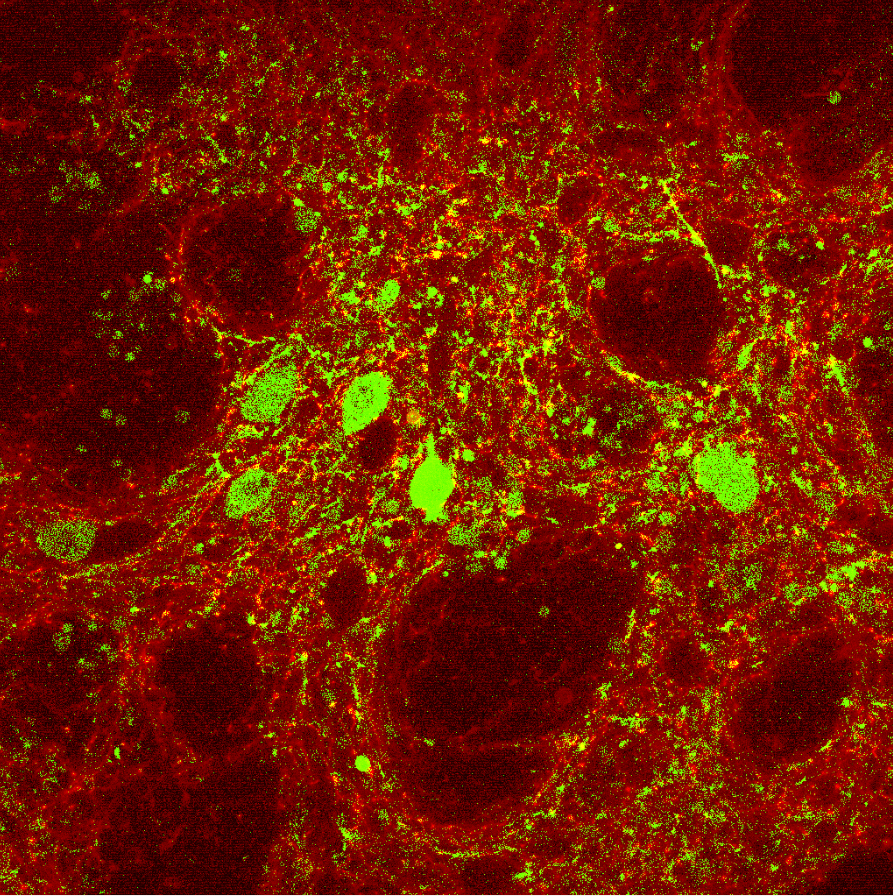
Neuromodulators via G-protein coupled receptor (GPCR) activation play important roles in the modification of synaptic activity. These synaptic changes are prominent mechanisms by which learning, and memory occur. Therefore, understanding how neuromodulatory signals are integrated into meaningful subcellular signals to influence behavior is critical for understanding complex behavior.
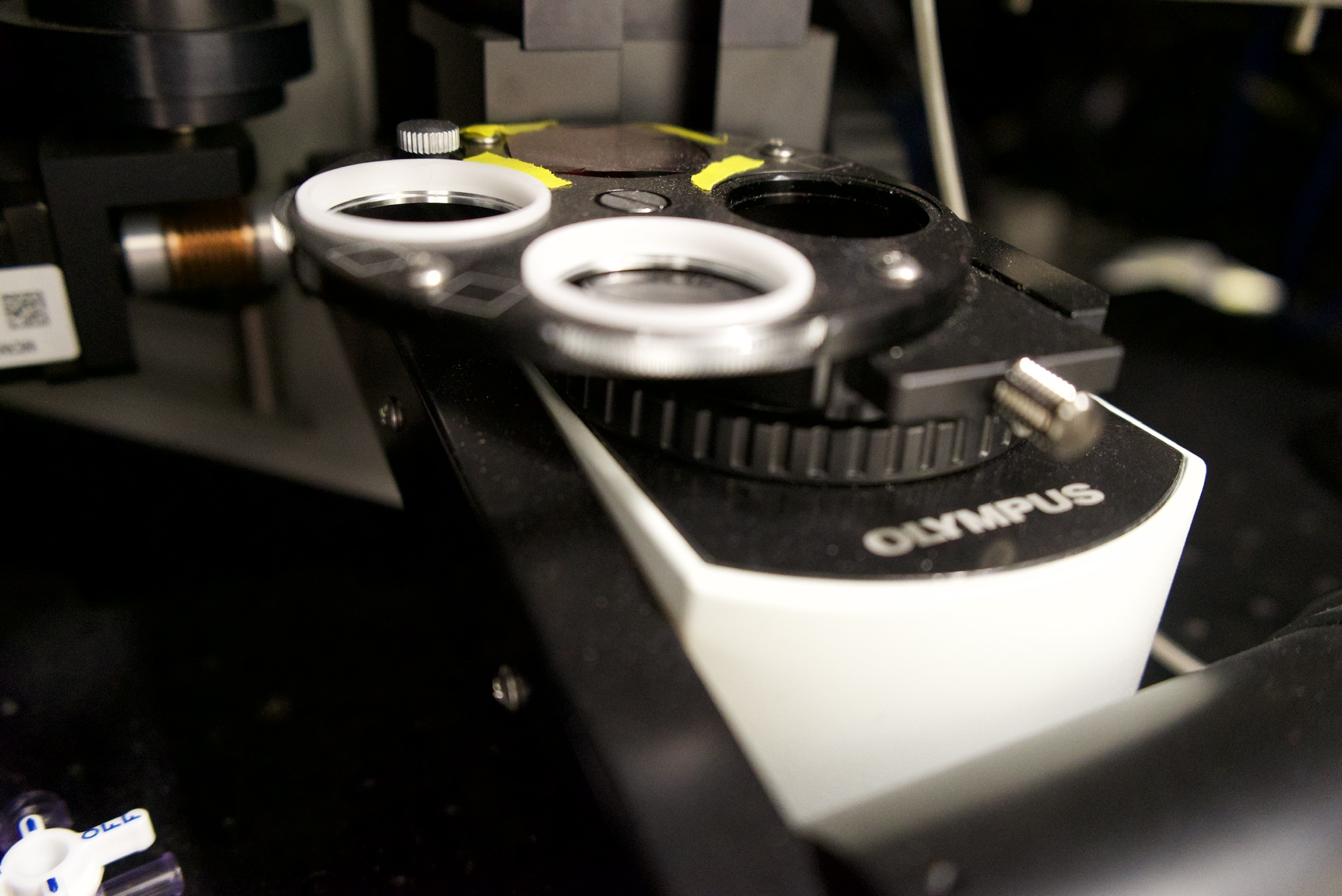
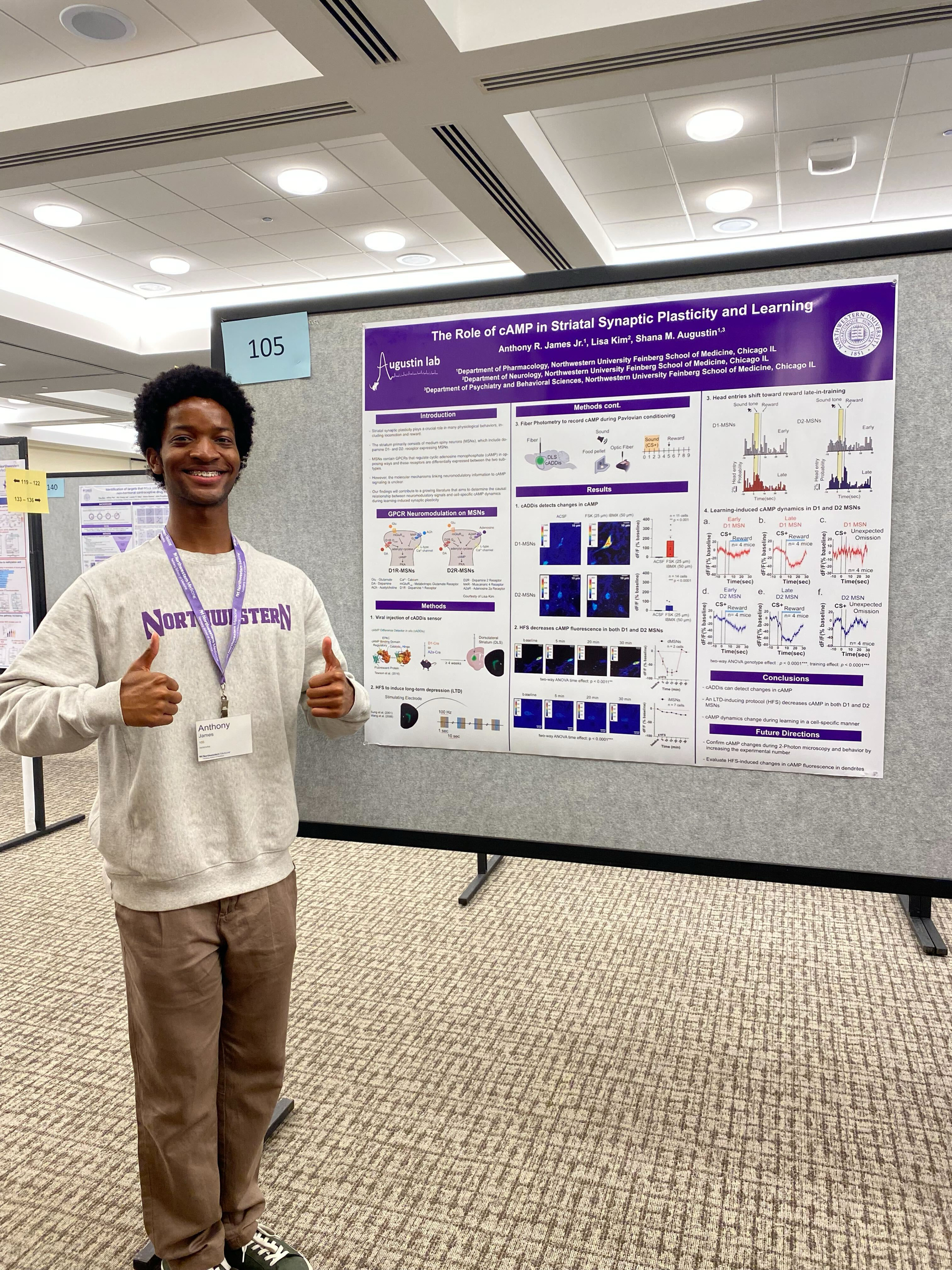
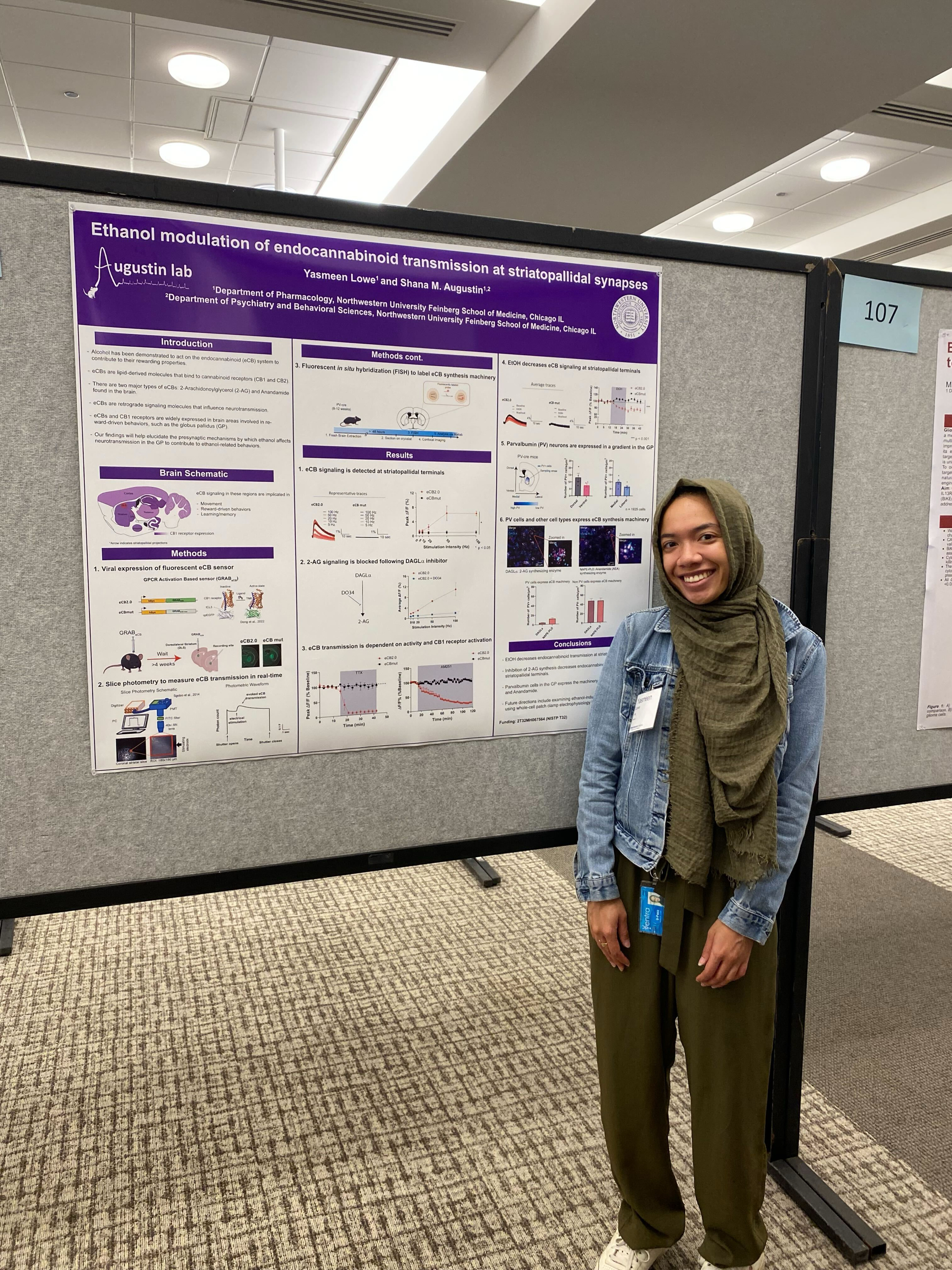
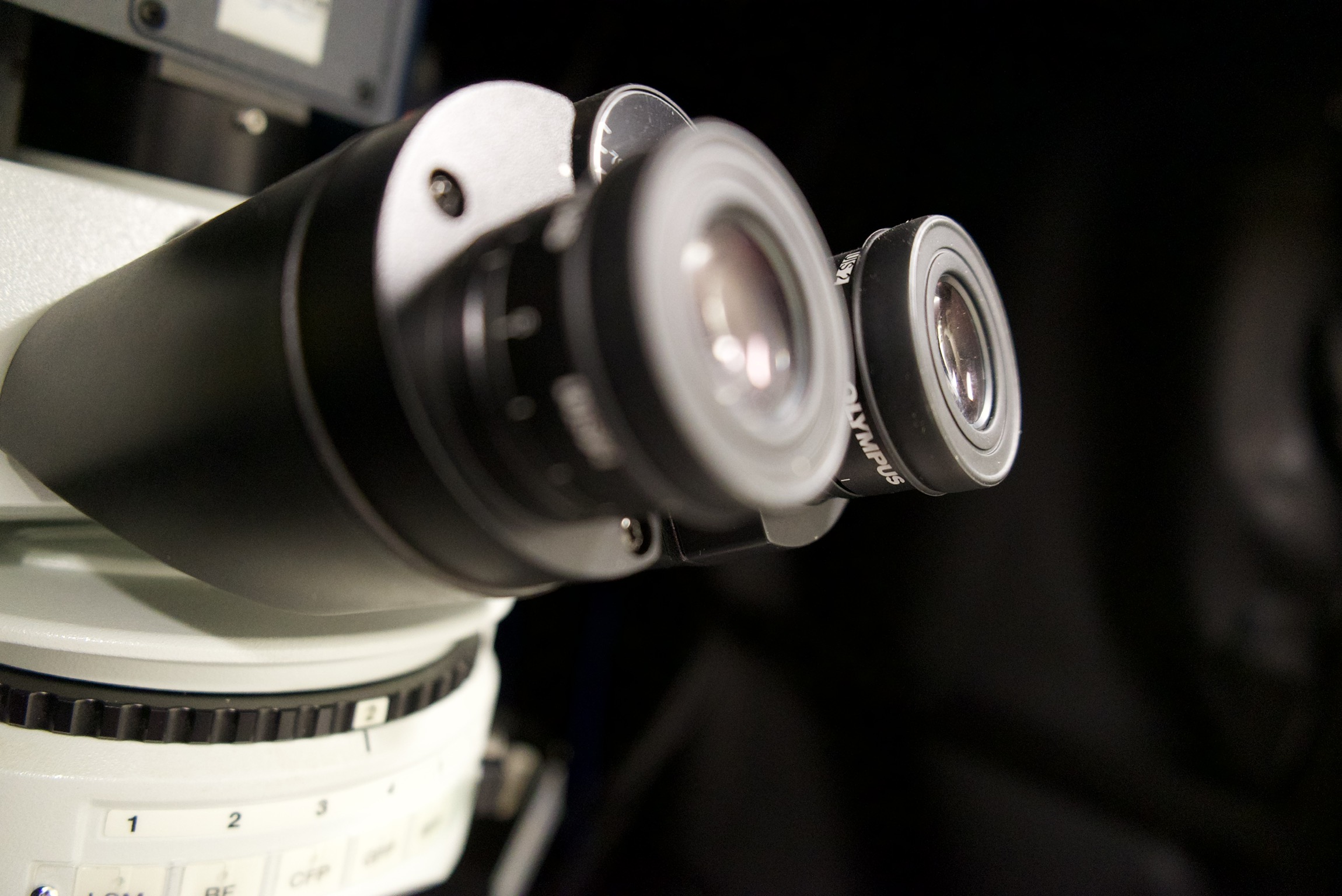
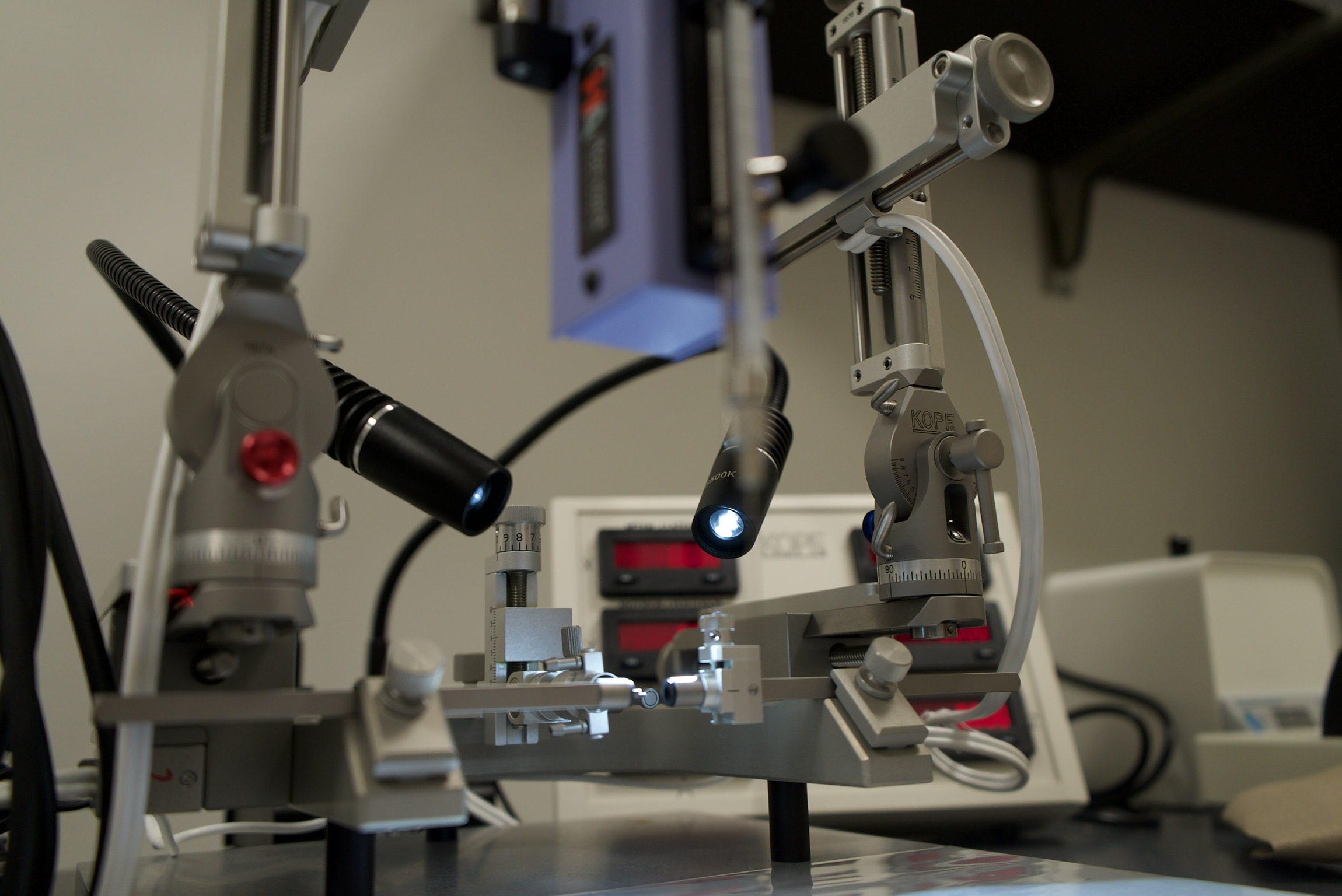
Our laboratory utilizes multiple experimental approaches, including brain slice electrophysiology, operant conditioning, advanced imaging techniques, including 2-photon imaging, brain slice photometry, and in vivo fiber photometry, and viral-mediated techniques including chemogenetics, optogenetics, and tracing.

 AUGUSTIN LAB